

Rakibul Hasan
Chief Editor of - Autos DonationRakibul Hasan, the CEO and founder of Autosdonation, is an automotive specialist with over a decade of industry experience. With a distinct mastery in car...Read more
Do you have an old car sitting in your garage that you no longer use? Why not donate it to a charity in California? Not only will you be helping a good cause, but you may also be eligible for a tax deduction.
When you donate a car in California, it can be sold by the charity to raise funds for their cause or given to a person in need. Either way, your old car can make a positive impact in someone else’s life. But before you donate, it’s important to understand the process and what you can expect. Keep reading to learn more about what happens when you donate a car in California.
What Happens if I Donate a Car in California?
Donating a car in California can be a great way to get rid of an unwanted vehicle while also supporting a charity. However, before you make the decision to donate your car, it’s important to understand what will happen throughout the donation process. Here are the ten things that you can expect when you donate a car in California.
1. Choosing a Charity
The first step in donating a car in California is to choose a charity that you want to support. There are many charities that accept car donations, so it’s important to do your research to find one that aligns with your values and goals. Keep in mind that not all charities are created equal, so make sure to choose a reputable organization that will use your donation in a meaningful way.
Once you’ve chosen a charity, you can contact them to start the donation process. The charity will likely ask for some basic information about your car, such as its make, model, and condition.
2. Evaluating Your Car
After you’ve provided the charity with information about your car, they will typically evaluate it to determine its value. This evaluation will take into account factors such as the car’s age, mileage, and overall condition. Based on this evaluation, the charity will provide you with a tax receipt that you can use to claim a deduction on your taxes.
3. Arranging for Pickup
Once the charity has evaluated your car and provided you with a tax receipt, they will arrange for pickup of the vehicle. In most cases, the charity will send a tow truck to pick up the car from your location. Make sure to provide the charity with accurate information about where the car is located and how to access it.
4. Transferring Ownership
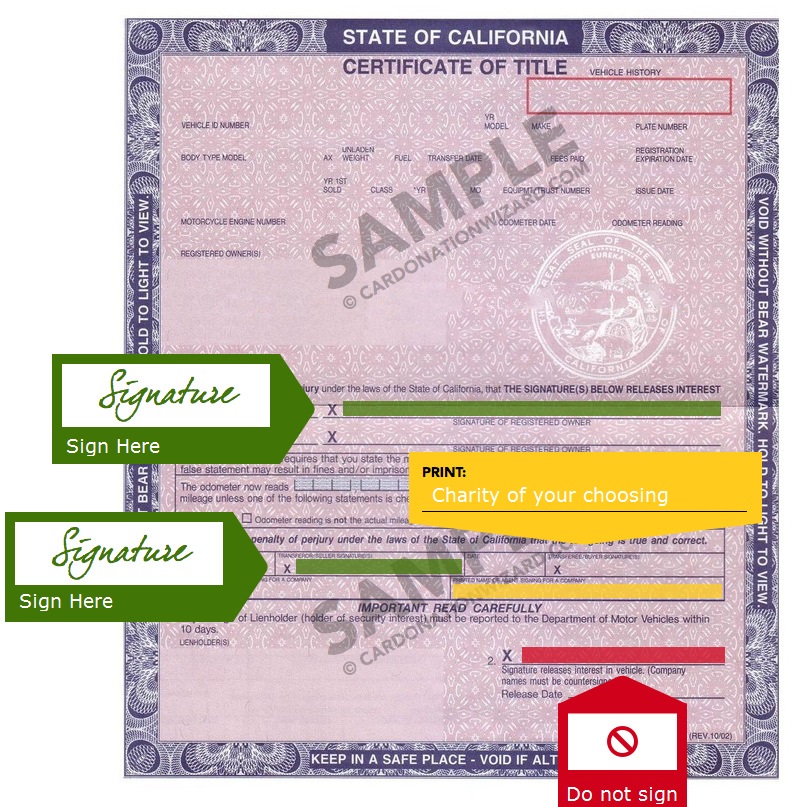
When the tow truck arrives to pick up your car, you will need to sign over the title to the charity. This will transfer ownership of the vehicle to the charity, and they will be responsible for disposing of it in a responsible way. Make sure to have all necessary paperwork ready when the tow truck arrives, as this will help streamline the process.
5. Receiving a Tax Deduction
After you’ve donated your car, you will be able to claim a tax deduction on your taxes. The amount of your deduction will depend on the value of your car and the tax laws in your state. Make sure to keep the tax receipt that the charity provided you with, as this will serve as proof of your donation.
6. Supporting a Good Cause
One of the biggest benefits of donating a car in California is that you’ll be supporting a good cause. Charities rely on donations to fund their programs and services, so your car donation can make a real difference in the lives of others. Make sure to choose a charity that you feel passionate about, as this will help you feel good about your donation.
7. Avoiding the Hassle of Selling
Another advantage of donating a car in California is that you can avoid the hassle of selling it yourself. Selling a car can be time-consuming and stressful, but donating it is a simple and straightforward process. Plus, you’ll be able to get rid of your unwanted car in a way that benefits others.
8. Supporting the Environment
When you donate a car in California, you’re also doing your part to support the environment. Old cars can be a major source of pollution, so getting them off the road can have a positive impact on air quality. Additionally, many charities will recycle or reuse car parts, which can help reduce waste and conserve resources.
9. Making Room for Something New
If you’ve been holding onto an old car that you no longer use, donating it can help you clear out space in your garage or driveway. This can make room for something new, whether it’s another car or simply more storage space. Plus, getting rid of a car that’s just taking up space can help you feel more organized and in control.
10. Helping Those in Need
Last but not least, donating a car in California is a great way to help those in need. Charities use the funds generated by car donations to provide a wide range of services, from food and shelter to education and healthcare. By donating your car, you can make a tangible difference in the lives of others and help create a better world for all.
Frequently Asked Questions
What happens if I donate a car in California?
When you donate a car in California, you can benefit from tax deductions and help a charitable organization. The process is simple and straightforward. You just need to fill out the necessary paperwork and turn over the title of the car to the charity. The charity will then sell the car to raise funds for its programs and services.
Once the car is sold, the charity will provide you with a tax receipt that you can use to claim a tax deduction on your income tax return. The amount of the tax deduction will depend on the sale price of the car. You can also feel good knowing that your donation is going to a good cause and helping those in need.
Can I donate a car that doesn’t run?
Yes, you can donate a car that doesn’t run in California. Many charities accept non-running cars and will tow them away for free. Even if the car is in poor condition or has significant damage, it can still be donated. The charity will sell the car for parts or scrap and use the funds to support its programs and services.
When you donate a non-running car, you will still be eligible for a tax deduction. However, the tax deduction will be based on the fair market value of the car, which may be lower than if the car was in good condition. Be sure to ask the charity about its policies for accepting non-running cars before making a donation.
How do I choose a charity to donate my car to?
Choosing a charity to donate your car to in California can be overwhelming, but there are some things to consider. First, make sure the charity is a registered 501(c)(3) nonprofit organization. This ensures that your donation is tax-deductible and that the charity is legitimate. You can check the IRS website to verify a charity’s tax-exempt status.
Second, research the charity’s mission and programs to make sure they align with your values. You can also check the charity’s financial records to ensure that it is using donations responsibly. Finally, consider the logistics of donating your car, such as whether the charity offers free towing and how easy it is to donate.
What paperwork do I need to donate a car?
When you donate a car in California, you will need to provide the charity with a signed title and registration. If you do not have the title, you can request a duplicate from the DMV. You will also need to fill out a Release of Liability form and submit it to the DMV to transfer ownership of the car to the charity.
The charity will provide you with a donation receipt and a tax deduction form, which you will need for your tax records. Be sure to keep these documents in a safe place and consult with a tax professional to ensure that you are eligible for a tax deduction.
How much can I claim as a tax deduction for my car donation?
The amount you can claim as a tax deduction for your car donation in California depends on the sale price of the car. If the car sells for less than $500, you can claim the fair market value of the car up to $500. If the car sells for more than $500, you can claim the actual sale price of the car.
It’s important to note that you can only claim a tax deduction if you itemize your deductions on your income tax return. If you take the standard deduction, you will not be able to claim a tax deduction for your car donation. Consult with a tax professional to determine how much you can claim as a tax deduction for your donation.
In conclusion, donating a car in California can have a significant impact on both the donor and the recipient. By donating, you can enjoy the benefits of a tax deduction while also helping a charitable organization provide much-needed resources to those in need. Additionally, the process of donating is relatively simple and straightforward, with many organizations offering free towing and pickup services.
However, it is important to do your research and choose a reputable organization to ensure that your donation is being used effectively. Make sure to ask questions about the organization’s mission, how they use donated vehicles, and what percentage of the proceeds from the sale of the vehicle goes directly to their programs.
Overall, donating a car in California can be a win-win situation for both the donor and the recipient. Not only does it provide a tax deduction for the donor, but it also helps support important charitable causes in the community. So the next time you’re thinking about what to do with an old car, consider donating it and making a difference in someone’s life.

Rakibul Hasan, the CEO and founder of Autosdonation, is an automotive specialist with over a decade of industry experience. With a distinct mastery in car donations, sponsorships, and gifting, Rakibul combines his passion for automobiles and generosity to revolutionize the car donation landscape. He established Autosdonation to facilitate the car donation and gifting process, making it more accessible and enjoyable for all involved.
More Posts