

Rakibul Hasan
Chief Editor of - Autos DonationRakibul Hasan, the CEO and founder of Autosdonation, is an automotive specialist with over a decade of industry experience. With a distinct mastery in car...Read more
Are you thinking of gifting your car title to a family member? It’s a generous gesture that can make a huge impact on your loved one’s life. However, the process can be confusing if you’re not familiar with the legal requirements.
In this article, we’ll guide you through the steps to gift a car title to a family member. From understanding the different types of car titles to filling out the necessary paperwork, we’ve got you covered. So, whether you’re giving a car to your child, spouse, or parent, read on to learn how to make the process smooth and stress-free.
- Fill out the transfer section on the title.
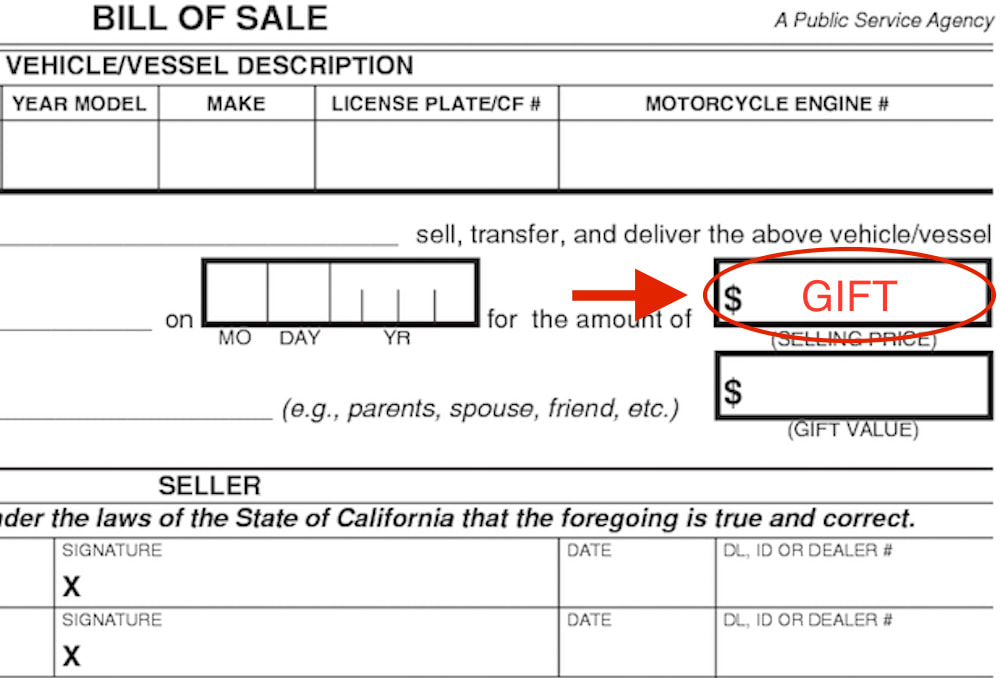
- Complete a bill of sale agreement.
- Obtain a smog certificate.
- Submit the paperwork to the DMV.
- Pay the required fees.
Contents
- How to Gift a Car Title to a Family Member?
- Frequently Asked Questions
- What is the process for gifting a car title to a family member?
- Can I gift a car to a family member without paying taxes?
- Do I need to notify my insurance company when gifting a car to a family member?
- What if I owe money on the car I want to gift?
- Can I gift a car to a family member who lives in a different state?
How to Gift a Car Title to a Family Member?
Gifting a car title to a family member is a great way to show your love and care. It is also a way to transfer ownership of a vehicle without any legal complications. However, the process can be a bit confusing, especially if you are doing it for the first time. In this article, we will guide you through the steps involved in gifting a car title to a family member.
Step 1: Check Your State Laws
Before you start the process of gifting a car title, you need to check your state laws. Every state has different rules and regulations when it comes to transferring ownership of a vehicle. Some states require a notarized bill of sale, while others may require additional paperwork. Make sure you understand the requirements of your state before you proceed.
Once you have checked your state laws, you need to obtain a copy of the car title. If the car is paid off, the title should be in your possession. If there is an outstanding loan on the vehicle, you will need to contact the lender to obtain the title.
Step 2: Prepare the Gift Letter
The next step is to prepare a gift letter. This letter should include your name, the name of the recipient, the year, make, and model of the vehicle, and the vehicle identification number (VIN). It should also state that you are gifting the car to the recipient and that there is no exchange of money involved.
The gift letter should be signed by both you and the recipient. You should also include the date of the transfer and the odometer reading at the time of the transfer.
Step 3: Transfer the Title
Once the gift letter is prepared and signed, you need to transfer the title. This involves filling out the title transfer section on the back of the title. You will need to provide the recipient’s name and address, the date of the transfer, and the odometer reading at the time of the transfer.
Make sure you sign the title in the appropriate section and have the recipient sign it as well. You may also need to have the gift letter notarized, depending on your state laws.
Step 4: Register the Vehicle
After the title has been transferred, the recipient needs to register the vehicle in their name. This involves going to the Department of Motor Vehicles (DMV) and providing the necessary paperwork, including the signed title and gift letter.
The recipient will also need to pay any applicable fees, such as sales tax and registration fees. They may also need to provide proof of insurance.
Step 5: Update Insurance
The recipient will need to update their insurance policy to reflect the new ownership of the vehicle. They will need to provide the insurance company with a copy of the signed title and gift letter.
Step 6: Benefits of Gifting a Car Title to a Family Member
Gifting a car title to a family member has several benefits. It is a way to show your love and care for your family member. It is also a way to transfer ownership of a vehicle without any legal complications.
Additionally, gifting a car title may be a way to save money on taxes. In some states, there may be a gift tax or sales tax on the transfer of a vehicle. However, if the transfer is a gift to a family member, it may be exempt from these taxes.
Step 7: Vs Selling a Car
Gifting a car title to a family member is different from selling a car. When you sell a car, you are exchanging money for the vehicle. This means you will need to provide a bill of sale and the recipient will need to pay sales tax on the purchase price.
Gifting a car title, on the other hand, involves no exchange of money. This means there is no sales tax involved, and the recipient may be able to save money on registration fees as well.
Step 8: Things to Keep in Mind
When gifting a car title to a family member, there are a few things you should keep in mind. First, make sure you understand the requirements of your state before you proceed. This will help you avoid any legal complications down the road.
Second, make sure you prepare the gift letter and sign the title transfer section correctly. This will ensure that the transfer is legal and binding.
Finally, make sure the recipient registers the vehicle in their name and updates their insurance policy. This will protect them in case of an accident and ensure that they are legally allowed to drive the vehicle.
Step 9: Conclusion
Gifting a car title to a family member is a great way to show your love and care. It is also a way to transfer ownership of a vehicle without any legal complications. By following the steps outlined in this article, you can ensure that the transfer is legal and binding, and that the recipient is able to register and insure the vehicle.
Step 10: FAQs
Q: Can I gift a car title to someone who is not a family member?
A: Yes, you can gift a car title to anyone you choose. However, if the recipient is not a family member, there may be taxes and fees involved in the transfer.
Q: Can I gift a car title if there is an outstanding loan on the vehicle?
A: Yes, you can still gift a car title if there is an outstanding loan on the vehicle. However, you will need to contact the lender to obtain the title.
Q: Do I need to have the gift letter notarized?
A: It depends on your state laws. Some states require a notarized gift letter, while others do not. Check your state laws to be sure.
Frequently Asked Questions
When gifting a car title to a family member, there are a few important steps that need to be taken to ensure a smooth transfer of ownership. Here are some common questions and answers to help guide you through the process.
What is the process for gifting a car title to a family member?
The process for gifting a car title to a family member varies depending on your state’s laws and regulations. Generally, you will need to sign the title over to the recipient and complete any necessary paperwork, such as a bill of sale or gift affidavit. You will also need to remove your name from the vehicle’s registration and insurance policies. It’s important to check with your state’s DMV or motor vehicle agency for specific instructions.
Additionally, you may need to pay any applicable taxes or fees associated with the transfer of ownership. Again, this will vary by state, so be sure to check with the appropriate agency for guidance.
Can I gift a car to a family member without paying taxes?
Whether or not you will need to pay taxes on a gifted car will depend on your state’s laws. Some states do not require taxes to be paid on gifted vehicles, while others do. In some cases, there may be exemptions or exclusions available for certain types of gifts or family relationships. It’s important to check with your state’s DMV or motor vehicle agency for specific guidance.
If taxes are required, you may need to provide proof of the gift, such as a bill of sale or gift affidavit, as well as pay any applicable fees or taxes. Again, this will vary by state.
Do I need to notify my insurance company when gifting a car to a family member?
Yes, it’s important to notify your insurance company when gifting a car to a family member. Your insurance policy is tied to the registered owner of the vehicle, so if you are no longer the owner, you will need to remove the vehicle from your policy. Additionally, the new owner will need to obtain their own insurance policy for the vehicle.
It’s important to note that you should not cancel your insurance policy until the transfer of ownership is complete. This will help ensure that there is no gap in coverage during the transition.
What if I owe money on the car I want to gift?
If you still owe money on the car you want to gift, you will need to pay off the loan before transferring ownership to the recipient. You may also need to obtain a lien release from the lender to prove that the loan has been satisfied.
Once the loan has been paid off and the lien release obtained, you can transfer ownership of the vehicle to the recipient. It’s important to check with your state’s DMV or motor vehicle agency for specific instructions on how to handle this situation.
Can I gift a car to a family member who lives in a different state?
Yes, you can gift a car to a family member who lives in a different state. However, the process may be slightly different than if both parties were in the same state. You will need to check with both your state’s DMV or motor vehicle agency, as well as the recipient’s state agency, to determine the specific requirements and paperwork needed for the transfer of ownership.
In some cases, you may need to have the vehicle inspected by a mechanic or meet other state-specific requirements before the transfer can be completed. It’s important to do your research and be prepared for any additional steps that may be required.
In conclusion, gifting a car title to a family member may seem like a daunting task, but it is actually a straightforward process. The first step is to gather all the necessary documents, including the car’s title, bill of sale, and gift letter. Then, you need to visit your local DMV office or go online to complete the transfer process.
It is important to remember that each state has its own specific requirements for gifting a car, so it is essential to check with your local DMV office to ensure that you follow all the necessary steps. Additionally, you may need to pay certain fees, such as sales tax or registration fees, depending on your state’s regulations.
Overall, gifting a car title to a family member is a great way to show your love and appreciation. By following the proper procedures and ensuring that all the necessary documents are in order, you can give your loved one a gift that will truly make a difference in their life.

Rakibul Hasan, the CEO and founder of Autosdonation, is an automotive specialist with over a decade of industry experience. With a distinct mastery in car donations, sponsorships, and gifting, Rakibul combines his passion for automobiles and generosity to revolutionize the car donation landscape. He established Autosdonation to facilitate the car donation and gifting process, making it more accessible and enjoyable for all involved.
More Posts