

Rakibul Hasan
Chief Editor of - Autos DonationRakibul Hasan, the CEO and founder of Autosdonation, is an automotive specialist with over a decade of industry experience. With a distinct mastery in car...Read more
Are you looking to donate your car in West Virginia? Donating a car is a great way to give back to your community and support a charity of your choice. However, the process can seem overwhelming and confusing. In this article, we will guide you through the process of donating a car in West Virginia, including the benefits, requirements, and steps you need to take to make a successful donation. Whether you are looking to donate a car for tax benefits or simply want to help those in need, this guide will give you all the information you need to get started. Let’s dive in!
- Choose a charity that accepts car donations in West Virginia.
- Provide the charity with information about your car, including its make, model, and condition.
- Arrange a time for the charity to pick up your car or drop it off at their location.
- Get a receipt for your donation, which you can use for tax purposes.
Contents
- Donating Your Car in West Virginia: A Step-by-Step Guide
- 1. Find a Reputable Charity
- 2. Get Your Paperwork in Order
- 3. Assess the Value of Your Car
- 4. Schedule a Pickup or Drop-Off
- 5. Transfer Ownership of Your Car
- 6. Enjoy the Tax Benefits
- 7. Consider Alternative Donation Options
- 8. Beware of Scams
- 9. Benefits of Donating Your Car
- 10. Donating Your Car vs. Selling Your Car
- Frequently Asked Questions
Donating Your Car in West Virginia: A Step-by-Step Guide
1. Find a Reputable Charity
Donating your car is a great way to give back to your community, and it’s easy to get started. The first step is to find a reputable charity that accepts car donations in West Virginia. Do your research and choose a charity that aligns with your values and supports causes that you care about.
You can start by checking out charities that are registered with the West Virginia Secretary of State’s Office or the Better Business Bureau. You can also ask friends and family for recommendations or do a quick online search.
Once you’ve found a charity that you want to donate your car to, contact them to learn more about their donation process and any requirements they may have.
2. Get Your Paperwork in Order
Before you donate your car, you’ll need to gather some important paperwork to ensure a smooth and successful donation process. This includes the title to your car, which proves that you own the vehicle and have the right to donate it.
If you don’t have the title, you’ll need to obtain a duplicate from the West Virginia Department of Motor Vehicles.
You’ll also need to make sure your car is registered and insured, and that any liens on the vehicle have been paid off. Be sure to check with your charity to see if they have any additional paperwork requirements.
3. Assess the Value of Your Car
The value of your car will determine how much you can deduct from your taxes when you donate it. You can use online resources like Kelley Blue Book or Edmunds to get an estimate of your car’s value, or you can have it appraised by a professional.
Keep in mind that the IRS has strict rules about how much you can deduct, so it’s important to get an accurate assessment of your car’s value.
4. Schedule a Pickup or Drop-Off
Once you’ve chosen a charity and gathered your paperwork, it’s time to schedule a pickup or drop-off for your car. Many charities offer free towing services for donated vehicles, so be sure to ask about this option.
If you’re dropping off your car, make sure to get a receipt from the charity to document your donation.
5. Transfer Ownership of Your Car
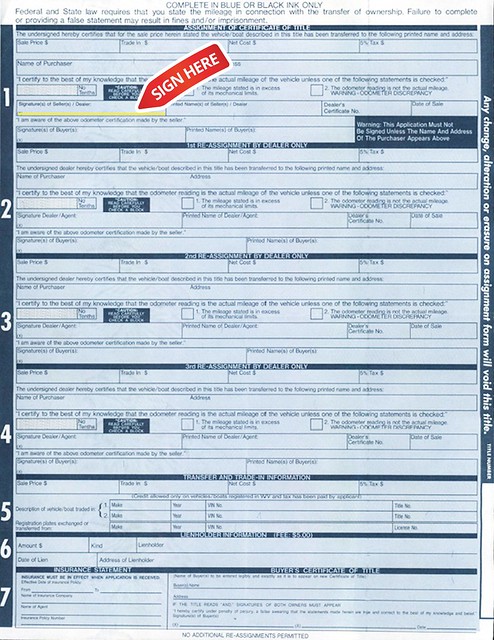
To complete the donation process, you’ll need to transfer ownership of your car to the charity. This is typically done by signing over the title to the charity at the time of donation.
Be sure to follow all of the instructions provided by your charity to ensure a smooth and successful transfer.
6. Enjoy the Tax Benefits
Donating your car can provide significant tax benefits, including a deduction for the fair market value of your vehicle. Be sure to consult with a tax professional to ensure you’re taking full advantage of these benefits.
7. Consider Alternative Donation Options
In addition to donating your car to a charity, there are other donation options to consider. For example, you can donate your car to a school or nonprofit organization to support their programs and activities.
You can also donate your car to a recycling center or junkyard, where it will be dismantled and recycled for parts.
8. Beware of Scams
Unfortunately, there are scams and fraudulent charities that prey on well-intentioned donors. To avoid these scams, be sure to do your research and only donate to reputable charities that are registered with the West Virginia Secretary of State’s Office or the Better Business Bureau.
9. Benefits of Donating Your Car
Donating your car not only supports a good cause, but it also provides a number of benefits for you as the donor. These benefits include a tax deduction, free towing services, and the satisfaction of knowing that you’re making a positive impact in your community.
10. Donating Your Car vs. Selling Your Car
If you’re considering donating your car, you may be wondering how it compares to selling your car. While selling your car may provide more immediate financial benefits, donating your car allows you to support a good cause and provides tax benefits.
Ultimately, the decision to donate or sell your car depends on your personal circumstances and priorities.
Frequently Asked Questions
Donating your car in West Virginia is a great way to support charitable organizations and get rid of an unwanted vehicle. However, the process can be confusing. Here are some commonly asked questions and answers to help you navigate the donation process.
1. How do I donate my car in West Virginia?
First, choose a reputable charity that accepts car donations. You can search online or ask for recommendations from friends and family. Once you’ve chosen a charity, contact them to arrange for a pick-up or drop-off of your car. You will need to sign over the title and provide some basic information about the vehicle. The charity will then sell the car and use the proceeds to support their programs.
It’s important to note that you can only donate a car that you own outright. If you have a car loan, you will need to pay off the loan before you can donate the car.
2. What types of vehicles can I donate?
Most charities accept cars, trucks, SUVs, and other vehicles. However, some charities may have restrictions on the age, condition, or type of vehicle they can accept. It’s best to check with the charity before making a donation.
In some cases, charities may also accept boats, motorcycles, and RVs. However, the donation process for these types of vehicles may be different than for cars.
3. What documents do I need to donate my car?
You will need to sign over the title to the charity and provide some basic information about the vehicle. You may also need to provide a release of liability form to the West Virginia Department of Motor Vehicles. The charity should provide you with all the necessary paperwork, but it’s a good idea to check with them before donating your car.
If you’ve lost your title, you can request a replacement from the West Virginia DMV. However, this may take some time, so it’s best to start the process early.
4. Can I get a tax deduction for donating my car?
If you itemize your deductions on your federal tax return, you may be able to claim a deduction for your car donation. The amount of the deduction will depend on the sale price of the car and the charity’s tax-exempt status. It’s important to keep all the paperwork related to your donation so you can provide documentation for your deduction.
If the car is worth more than $500, you will also need to complete IRS Form 8283 and include it with your tax return.
5. What should I do with my license plates?
In West Virginia, you are required to remove the license plates from your car before donating it. You can either transfer the plates to a new vehicle or turn them in to the DMV. If you turn them in, you may be eligible for a refund of any remaining registration fees.
It’s important to remove the plates before the charity picks up your car to avoid any liability issues.
In conclusion, donating a car in West Virginia is a simple and rewarding process that can make a big difference in someone’s life. By following the steps outlined in this guide, you can ensure that your donation goes to a reputable charity and that you receive the maximum tax deduction possible.
Not only will you be helping those in need, but you’ll also be doing your part to reduce your carbon footprint and support the local economy. By donating your car, you can make a positive impact on both the community and the environment.
So, if you’re ready to donate your car in West Virginia, take the time to research your options and choose a charity that aligns with your values. Together, we can make a difference and create a brighter future for everyone.

Rakibul Hasan, the CEO and founder of Autosdonation, is an automotive specialist with over a decade of industry experience. With a distinct mastery in car donations, sponsorships, and gifting, Rakibul combines his passion for automobiles and generosity to revolutionize the car donation landscape. He established Autosdonation to facilitate the car donation and gifting process, making it more accessible and enjoyable for all involved.
More Posts