

Rakibul Hasan
Chief Editor of - Autos DonationRakibul Hasan, the CEO and founder of Autosdonation, is an automotive specialist with over a decade of industry experience. With a distinct mastery in car...Read more
Many people who have old cars sitting in their garages or driveways may consider donating them to a museum. Not only does this provide an opportunity to clear out some clutter, but it also allows the vehicle to be preserved for future generations to enjoy. However, one question that often arises is whether or not there are tax deductions available for donating a car to a museum.
The answer is yes, there are potential tax deductions available for donating a car to a museum. However, the process can be a bit more complicated than simply dropping off the car and receiving a receipt. In this article, we will explore the requirements for receiving a tax deduction for donating a car to a museum and provide some tips on how to make the process go smoothly.
Yes, you can get a tax deduction for donating your car to a museum. However, the amount of deduction you can claim depends on various factors such as the fair market value of the car, the condition of the car, and the extent of the museum’s use of the car. It is recommended that you consult a tax professional or the IRS guidelines to determine the exact amount of tax deduction you can claim.
Contents
- Do You Get Tax Deduction for Donating Car to Museum?
- Frequently Asked Questions
- 1. Can I get a tax deduction for donating my car to a museum?
- 2. What types of museums qualify for a tax deduction?
- 3. How do I determine the fair market value of my car?
- 4. What documentation do I need to claim a tax deduction for my car donation?
- 5. Can I donate a car that is not in working condition?
Do You Get Tax Deduction for Donating Car to Museum?
Donating a car to a museum can be a great way to give back to your community and support a cause that you care about. But before you make the decision to donate your car, it’s important to understand the tax implications of your donation. In this article, we’ll explore whether or not you can get a tax deduction for donating a car to a museum.
How Does Car Donation Tax Deduction Work?
When you donate a car to a museum, you may be eligible for a tax deduction. The amount of your deduction will depend on several factors, including the fair market value of your car and the tax laws in your state.
To qualify for a tax deduction, your donation must meet certain criteria. First, the museum must be a qualified charitable organization. Second, you must itemize your deductions on your tax return. Third, you must have documentation of your donation, including a receipt from the museum.
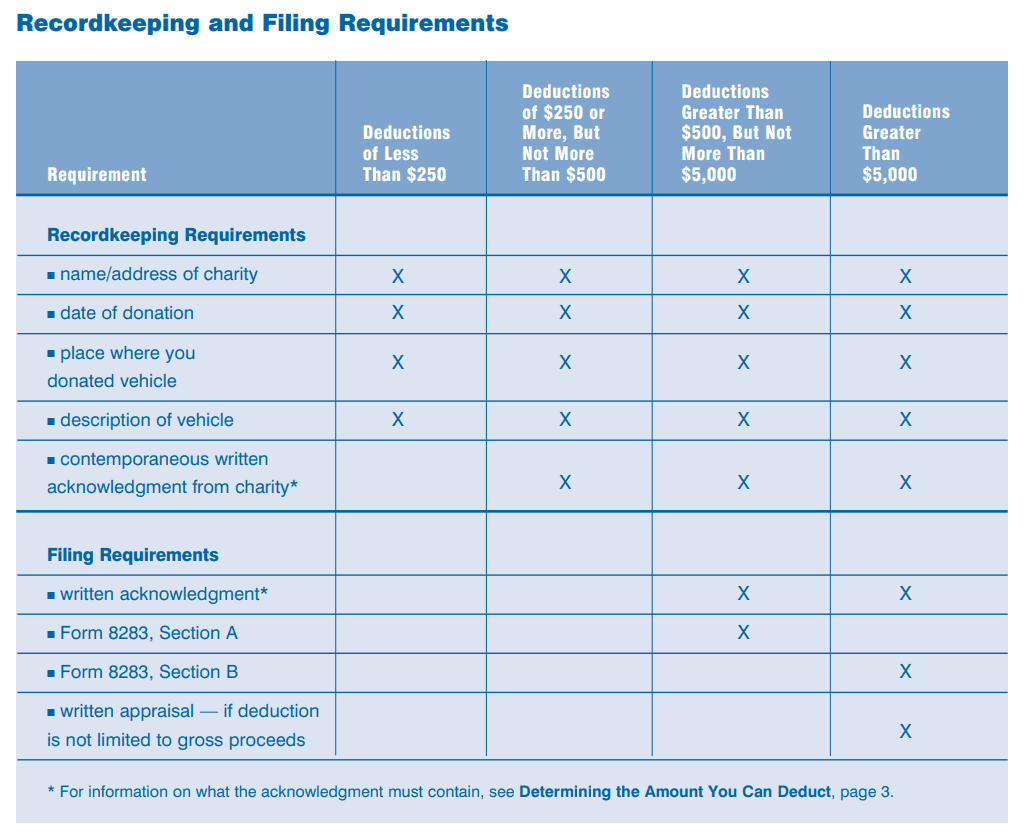
It’s important to note that the IRS has strict rules about car donations. If the value of your car is more than $500, you must file Form 8283 with your tax return. If the value of your car is more than $5,000, you must obtain an appraisal from a qualified appraiser.
Benefits of Donating a Car to a Museum
There are several benefits to donating a car to a museum. First and foremost, you’ll be supporting a cause that you care about. Museums rely on donations to fund their operations and maintain their collections, so your donation can make a real difference.
In addition, donating a car to a museum can be a tax-efficient way to dispose of a vehicle that you no longer need. Instead of selling your car and paying taxes on the proceeds, you can donate it and receive a tax deduction.
Finally, donating a car to a museum can be a great way to preserve history. Many museums collect cars that are rare or significant in some way, and your donation can help ensure that these cars are preserved for future generations to enjoy.
Donating a Car vs Selling a Car
When it comes to disposing of a car that you no longer need, you have two main options: selling it or donating it to a museum. Each option has its own advantages and disadvantages, so it’s important to weigh them carefully before making a decision.
If you sell your car, you’ll receive cash that you can use for any purpose. However, you’ll also be responsible for paying taxes on the proceeds of the sale, which can reduce your net profit.
If you donate your car to a museum, you won’t receive cash, but you will receive a tax deduction that can reduce your tax bill. In addition, you’ll be supporting a cause that you care about and helping to preserve history.
Conclusion
Donating a car to a museum can be a great way to give back to your community and support a cause that you care about. If you’re considering donating a car, it’s important to understand the tax implications of your donation. By following the IRS guidelines and working with a qualified charitable organization, you can ensure that your donation is tax-efficient and beneficial to all parties involved.
Frequently Asked Questions
Donating a car to a museum can be a great way to support a cause you care about while also getting rid of an unwanted vehicle. However, you may be wondering if you can get a tax deduction for your donation. Here are some commonly asked questions and answers about tax deductions for donating a car to a museum.
1. Can I get a tax deduction for donating my car to a museum?
Yes, you may be able to get a tax deduction for donating your car to a museum. However, there are some factors that can affect your eligibility for a deduction, such as the value of your donation and the type of museum you donate to. To claim a tax deduction, you will need to itemize your deductions on your tax return and provide documentation of your donation.
It is important to note that the amount of your tax deduction will depend on the fair market value of your car at the time of the donation. If the museum sells your car, they will need to provide you with a receipt that shows the sale price. If the museum keeps your car for their collection, you may need to get an appraisal to determine its value.
2. What types of museums qualify for a tax deduction?
To qualify for a tax deduction, the museum you donate to must be a qualified organization under IRS rules. This means that the museum must be a nonprofit organization that is tax-exempt under section 501(c)(3) of the Internal Revenue Code. The museum must also be engaged in activities that are consistent with its tax-exempt purpose, such as education, research, or preservation of cultural or historical artifacts.
You should also be aware that some museums may not accept car donations, or may only accept certain types of cars. Before donating your car, it is a good idea to contact the museum to find out their policies and procedures for car donations.
3. How do I determine the fair market value of my car?
The fair market value of your car is the price that a willing buyer would pay and a willing seller would accept for the car, when neither party is under any compulsion to buy or sell and both parties have reasonable knowledge of the relevant facts. There are several resources you can use to determine the fair market value of your car, such as the Kelley Blue Book or the National Automobile Dealers Association (NADA) guides.
If your car is worth more than $5,000, you will need to get an independent appraisal to determine its value. The appraisal must be done by a qualified appraiser and must be dated no more than 60 days before the date of the donation.
4. What documentation do I need to claim a tax deduction for my car donation?
To claim a tax deduction for your car donation, you will need to provide documentation of your donation. This may include a written acknowledgment from the museum that received your car, a copy of your title transfer, and any other relevant documents. If the value of your car is more than $500, you will also need to file Form 8283 with your tax return.
If the value of your car is more than $5,000, you will need to get an independent appraisal and provide a copy of the appraisal report with your tax return.
5. Can I donate a car that is not in working condition?
Yes, you can donate a car that is not in working condition to a museum. However, the value of your tax deduction may be less than if you donated a car that is in working condition. If your car is not in working condition, you may want to consider getting an appraisal to determine its value.
You should also be aware that some museums may not accept cars that are not in working condition. Before donating your car, it is a good idea to contact the museum to find out their policies and procedures for car donations.
In conclusion, donating a car to a museum can be a great way to support a cultural institution and potentially receive a tax deduction. However, it is important to do your research and make sure the museum is a qualified nonprofit organization that is eligible to receive tax-deductible donations.
If you are considering donating a car, be sure to keep detailed records of the donation and any expenses incurred during the process. This can include the fair market value of the car, any repairs or improvements made before the donation, and any fees paid to a third-party organization to handle the donation.
Overall, donating a car to a museum can be a rewarding experience for both you and the museum, as long as you take the necessary precautions and follow the guidelines set by the IRS. So why not consider donating your car to a museum today and make a difference in your community?

Rakibul Hasan, the CEO and founder of Autosdonation, is an automotive specialist with over a decade of industry experience. With a distinct mastery in car donations, sponsorships, and gifting, Rakibul combines his passion for automobiles and generosity to revolutionize the car donation landscape. He established Autosdonation to facilitate the car donation and gifting process, making it more accessible and enjoyable for all involved.
More Posts